
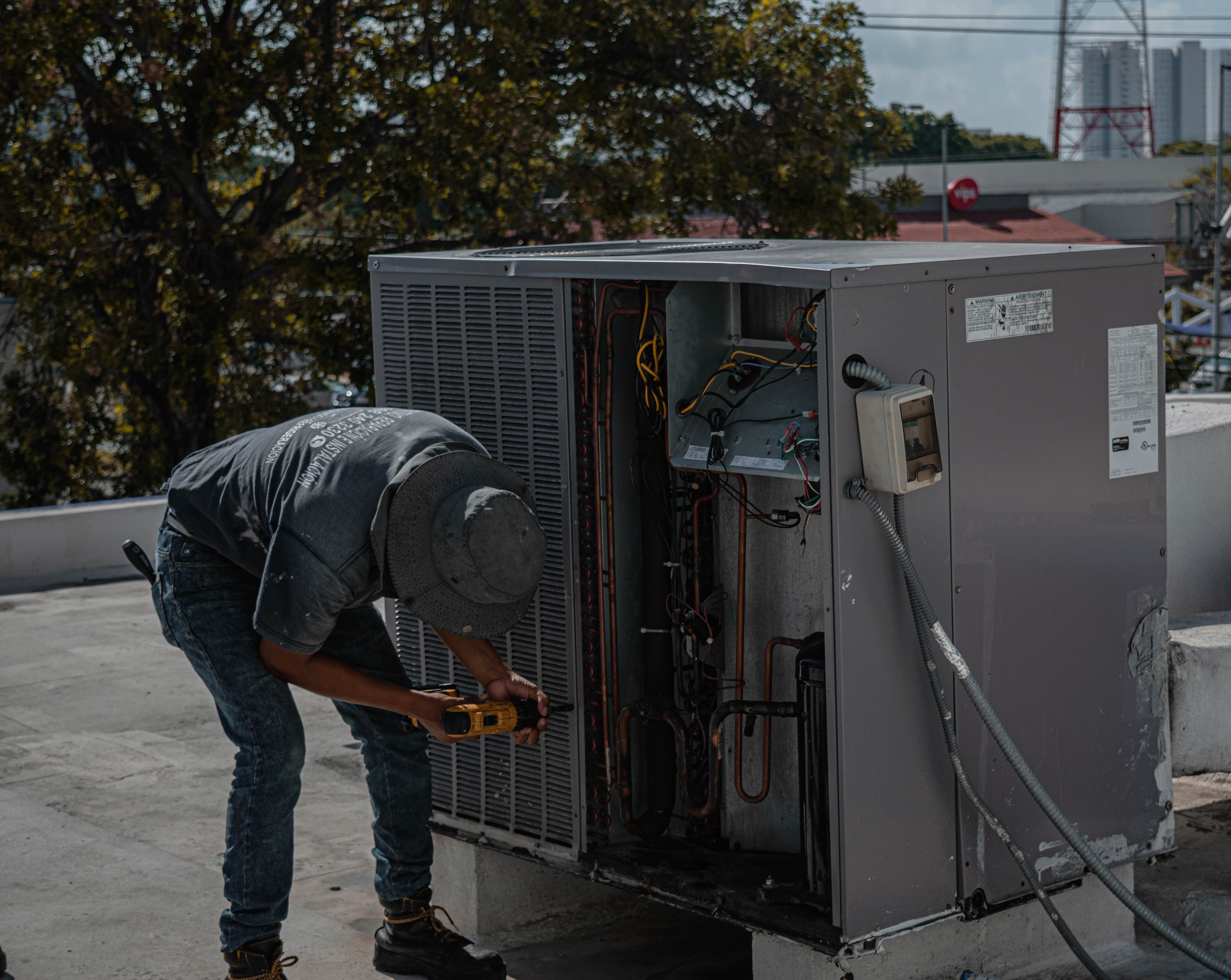
What This Maintenance and Service Guide Covers
This page focuses on B2B companies providing completed commercial maintenance, repair, or service work, including recurring maintenance and completed service calls. Examples are illustrative; not every trade, contractor, or service model is automatically eligible.
Construction-related service businesses are not categorically excluded. The intended program focuses on completed commercial receivables and does not pursue work in progress or progress billing tied to unfinished work.
From Service Agreement to Completed Receivable
A service receivable may develop through an agreement or authorized request, a work order, a completed visit or service period, customer acceptance where applicable, and an invoice. Recurring service and one-time calls can have different records and approval processes.
| Stage | Records that may be relevant | Question to resolve |
|---|---|---|
| Authorization | Agreement, work order, or customer request | What scope and location were authorized? |
| Completion | Service ticket, technician record, or completion note | Was the work described by the invoice completed? |
| Acceptance | Sign-off, portal status, or customer confirmation where used | Has any required customer acceptance occurred? |
| Invoice | Labor, materials, extras, and customer terms | Does the amount match completed approved work? |
Labor, Materials, Subcontractors, and Authorized Work
An invoice containing both labor and materials may be considered when the underlying work has been completed and applicable delivery, acceptance, documentation, verification, and other requirements are satisfied. Materials do not create an automatic exclusion.
Businesses using subcontractors may also be considered. Subcontractor use alone is not an automatic disqualification, but completion records, contractual rights, documentation, verification, and provider requirements still matter.
Additional Work and Scope Changes
A customer may authorize extra work differently from recurring service. A provider may review the authorization, completion evidence, pricing, customer acceptance, credits, and any dispute about scope.
Completed Work Versus WIP and Progress Billing
A completed work order or service ticket is different from an uncompleted work order, work in progress, progress billing, or a future service period. Under LIEquity's intended program, the receivable should arise from completed performance.
This is LIEquity's intended placement criterion, not a universal statement about every factoring company or financing product. The provider makes final decisions.
- Future maintenance visits are not completed services.
- An unstarted or partially completed work order is not a completed receivable.
- Progress billing tied to unfinished work is outside the intended program.
- A completed invoice may still require delivery, acceptance, verification, and other review.
- An advance retainer for services not yet performed is not a completed receivable.
Verification, Disputes, and Customer Concentration
A provider may review service tickets, technician records, customer confirmations, agreements, invoices, location information, and payment history. Factoring arrangements commonly involve receivable verification and may involve customer notification or payment-direction procedures depending on the provider and agreement.
Disputes may concern completion, quality, scope, authorization, labor, materials, rates, credits, or offsets. A provider may also review the share of receivables represented by a customer or related group. There is no universal concentration threshold.
Existing liens, security interests, assignments, or financing arrangements may affect a transaction and require review. An existing UCC filing does not automatically establish ineligibility, and this page does not provide legal conclusions about priority.
Maintenance and Service Invoice Readiness Checklist
Before discussing completed service receivables
- The commercial customer, location, and service scope are identified.
- The invoiced work has been completed.
- Work orders, service tickets, or technician records support completion where applicable.
- Customer sign-off or acceptance requirements are understood.
- Labor, materials, subcontractors, and authorized extras are documented.
- WIP, future service, and unfinished progress billing are excluded.
- Known disputes, credits, deductions, and offsets are identified.
- Existing liens, assignments, or financing arrangements are disclosed for review.
Frequently Asked Questions
What maintenance invoices may be considered for factoring?
A provider may review invoices for completed commercial maintenance or service work when the documentation, customer, verification, and other requirements satisfy its standards. Not every trade or service model automatically qualifies.
Are completed work orders different from WIP?
Yes. A completed work order or service ticket describes performed work; an uncompleted order, WIP, progress billing, or future service does not represent the completed receivable LIEquity's intended program would pursue.
Can an invoice include labor and materials?
It may be considered when the underlying invoiced work is completed and applicable delivery, acceptance, documentation, verification, and other requirements are satisfied. Materials do not create an automatic exclusion.
Can businesses using subcontractors be considered?
Yes, subcontractor use alone is not an automatic disqualification. Completion, documentation, contractual, verification, and provider requirements still apply.
Can government maintenance customers be considered?
LIEquity may consider invoices owed by government entities, but government receivables do not all qualify and providers may handle them differently.
Does LIEquity fund maintenance companies?
No. LIEquity is an independent commercial factoring broker. It does not purchase invoices, provide funding, approve factoring, or set provider terms.
This guide is educational and does not promise eligibility, approval, placement, funding, pricing, or timing. LIEquity is an independent commercial factoring broker; it does not purchase invoices, provide funding, make final credit decisions, or set provider terms. The intended completed-performance boundary is not a universal claim about every financing product.