
LIEquity Insights
Why Profitable Oilfield Service Companies Can Still Run Short of Cash
Learn why profitable oilfield service companies can face cash shortages when customer invoices pay slowly while payroll, fuel, repairs, rentals, and equipment costs come due—and how invoice factoring may help bridge the timing gap.
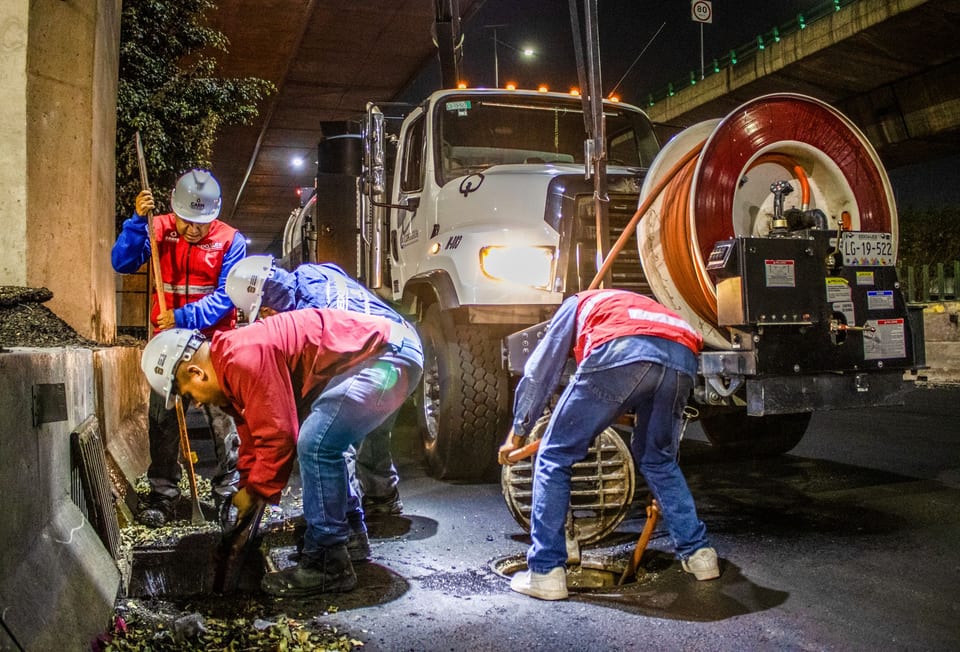
Profit on the job is not cash in the bank
An oilfield service company can have a full schedule, completed work, and invoices that should produce a profit, yet still struggle to make payroll or buy fuel. The problem is often timing rather than a lack of demand.
Work is performed today, but payment may depend on field tickets, customer approvals, purchase-order matching, billing review, and the customer's payment cycle. Meanwhile, drivers, operators, subcontractors, fuel suppliers, rental vendors, and repair shops may need to be paid well before the customer invoice is collected.
A profitable income statement does not automatically mean the company has enough available cash for the next payroll run. Cash flow depends on when money leaves the business and when invoice proceeds arrive.
Where the cash gap begins in field service work
Oilfield service businesses often incur meaningful costs before an invoice can be submitted, much less paid. The precise pattern varies by service line, contract, and customer, but common cash uses include:
- Weekly or biweekly payroll for field crews, drivers, dispatch, and support staff
- Fuel, lubricants, hauling, and travel costs tied to active jobs
- Equipment repairs, maintenance, tires, parts, and emergency service calls
- Rentals, trucking, lodging, site supplies, and subcontractor charges
- Insurance, yard expenses, debt payments, and other recurring overhead
- Deposits or upfront costs required to mobilize equipment for a new job
The invoice may not be ready until job tickets are signed, hours and materials are reconciled, and required supporting documents are assembled. If a ticket is incomplete or a billing contact cannot match it to a purchase order or authorization, an otherwise valid invoice can be delayed further.
A simple cash-flow example
Consider a hypothetical pressure-control or hauling contractor that has billed $180,000 for completed work during a month. The work appears profitable after direct costs and overhead.
However, assume its customers commonly pay 45 to 60 days after receiving a correct invoice. Over the next several weeks, the company may need cash for:
- Two payroll cycles
- Fuel and fleet-related costs
- A repair needed to keep a revenue-producing unit in service
- A rental commitment for a newly awarded job
- Payments to a subcontractor that supported completed work
Even though the $180,000 in invoices may be collectible, those receivables are not yet available cash. If the company has little cash reserve, it may delay purchases, turn down work, use expensive short-term options, or strain vendor relationships. Growth can make this worse because each new job can add payroll and operating costs before the related invoice is paid.
Rapid growth can increase the need for working capital
Growth is generally welcome, but it can consume cash. A larger contract may require more crews, additional shifts, rented equipment, fuel, or subcontractor capacity. The company pays many of those costs while its accounts receivable balance increases.
This creates a counterintuitive situation: revenue rises, the backlog looks healthy, and profit may improve on paper, but available cash becomes tighter.
Before accepting or expanding a large job, management can map the timing of the expected cash demands:
- Identify the mobilization date and the costs required before work begins.
- Estimate payroll, fuel, rentals, maintenance, and subcontractor payments through the first expected customer payment date.
- Confirm the billing requirements, approval path, and expected payment terms for the customer.
- Compare the projected cash need with current cash, available credit, and other funding sources.
- Decide whether the job's margin and payment timing support the planned pace of growth.
This exercise does not eliminate risk, but it can reveal whether a growing receivables balance is creating a financing need.
Reduce avoidable invoice delays before seeking funding
Financing cannot fully solve a billing process that repeatedly produces disputed, incomplete, or unapproved invoices. Improving the handoff from the field to billing can shorten avoidable delays and make receivables easier to finance.
Build a complete invoice file
For each billable job, retain the documents the customer requires. Depending on the arrangement, that may include signed field tickets, work orders, rate sheets, purchase-order information, time records, delivery or disposal documentation, material backup, and customer approvals.
The goal is not to create paperwork for its own sake. It is to allow the customer's accounts-payable team to verify what was performed, who authorized it, and how the charge was calculated.
Send invoices promptly and to the right contact
An invoice sent late starts the payment clock late. Confirm where invoices must be sent, whether a vendor portal is required, and whether the customer needs a particular job number, lease name, cost code, or purchase-order reference.
Follow up before an invoice becomes overdue
A practical collection routine can include confirming receipt shortly after submission, resolving document requests quickly, and checking approval status before the expected due date. The purpose is to identify a missing ticket or coding issue while the job details are still easy to verify.
Separate collection issues from credit issues
Not every slow invoice has the same cause. An invoice may be delayed because of missing documentation, a disputed charge, a customer approval bottleneck, or the customer's broader ability or willingness to pay. Knowing the cause helps the business choose the appropriate response rather than treating every unpaid invoice as a routine timing issue.
How invoice factoring can address the timing gap
Invoice factoring is a working-capital option in which a business sells eligible business-to-business invoices to a factoring company. Rather than waiting for the customer to pay under its normal terms, the business may receive an advance on eligible receivables, with the remaining amount settled according to the factoring arrangement after payment and applicable fees or adjustments.
For an oilfield service company, factoring may be worth evaluating when it has completed work for creditworthy commercial customers, has invoices supported by required documentation, and needs to cover operating costs before those customers pay.
The funding may be used for ordinary business needs such as payroll, fuel, repairs, vendor payments, or the operating costs of a new job. Whether a particular invoice qualifies, how much may be available, who handles collections, and when reserves are released depend on the customer, invoice quality, and the specific agreement.
Questions to ask before factoring oilfield service invoices
Factoring is not a substitute for reviewing margins, customer concentration, or job-level cash requirements. A company considering it should understand the operational and contractual details.
- Are the invoices for completed, undisputed business-to-business work?
- Does the customer have clear payment practices and acceptable credit for the factor?
- Are signed tickets, work orders, purchase orders, rate confirmations, and other required records available?
- Are there offsets, retention, back-charges, or pending disputes that could reduce the amount collected?
- Will the customer be notified, and how will payment instructions and account communication be handled?
- Is the arrangement recourse or non-recourse, and what events create an obligation for the business?
- What are the fees, reserves, minimums, termination provisions, and other agreement terms?
- Will the expected funding and cost support the margin on the work being financed?
Reviewing these questions before signing can help prevent a mismatch between the company’s cash needs and the financing structure.
Match the funding choice to the cause of the problem
Invoice factoring can be useful when the primary issue is the delay between completing work and collecting from commercial customers. It may be less suitable when the underlying problem is unprofitable pricing, frequent disputes, poor field documentation, or a customer base with persistent payment risk.
A disciplined approach is to first improve invoice readiness and collection visibility, then forecast the cash gap created by payroll and operating costs, and finally compare funding options against the expected cost and flexibility needed. For a company with solid commercial receivables and a predictable gap between billing and payment, factoring can turn part of those outstanding invoices into working capital sooner.