
LIEquity Insights
Invoice Factoring for Maintenance and Service Companies: A Cash-Flow Workflow for Waiting on Customer Payments
Learn how maintenance and service companies can use invoice factoring to bridge the gap between completed work, payroll and supplier costs, and customer payments.
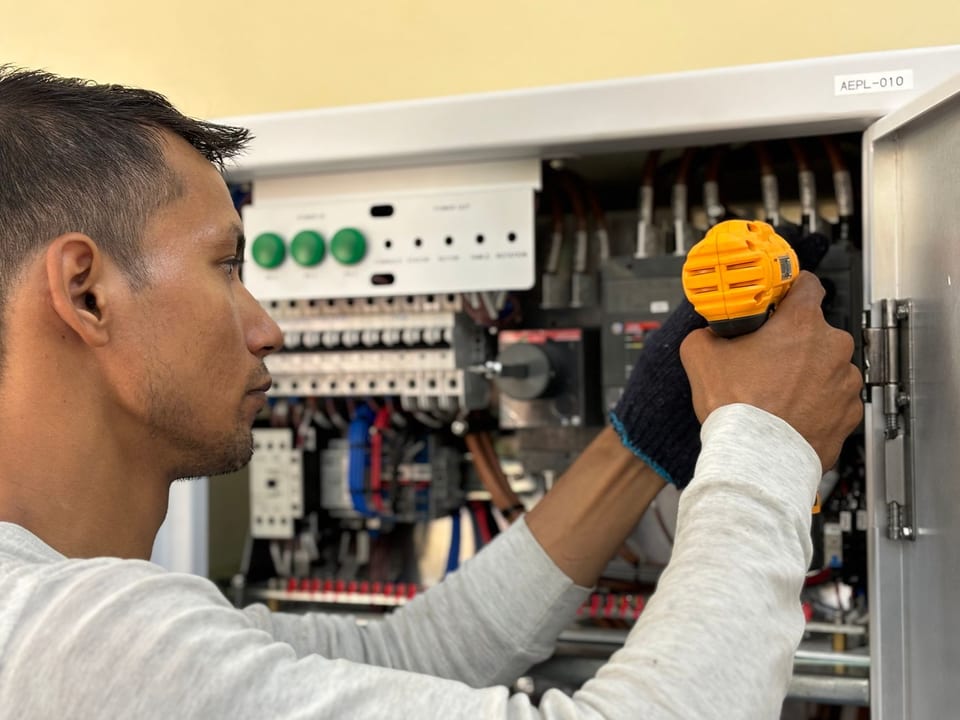
Maintenance and service companies often complete the work long before they receive the cash. A property manager may require a work order, photos, completion sign-off, and an invoice before its payment cycle begins. Meanwhile, technicians, subcontractors, fuel vendors, and parts suppliers may need to be paid on much shorter timelines.
That timing gap can create a cash-flow problem even when the company is winning profitable work. Invoice factoring is one way an eligible business may turn approved business-to-business receivables into working capital sooner, rather than waiting for the customer’s payment date.
The cash-flow gap starts after the job is complete
For many service businesses, the cost of a job comes first:
- A customer issues a service request, purchase order, or work order.
- The company schedules labor, buys materials, dispatches vehicles, or engages subcontractors.
- The work is completed and supporting documentation is submitted.
- The customer accepts the work and the company issues an invoice.
- Payment arrives under the customer’s payment process or agreed terms.
The invoice may represent earned revenue, but it is not yet cash in the bank. If several customers pay after a billing cycle closes, a company can have a growing accounts-receivable balance while still struggling to cover the next payroll or purchase the materials for new jobs.
This is particularly common when a business serves commercial customers, property managers, facilities companies, manufacturers, municipalities, or larger contractors that use formal approval and accounts-payable processes.
What invoice factoring changes—and what it does not
Invoice factoring generally involves selling or assigning eligible invoices to a factoring company under a financing arrangement. The factoring company evaluates the receivable and, where approved, provides an advance against it. When the customer pays, the transaction is settled according to the agreement, including any reserve, fees, and other applicable terms.
The practical change is timing: instead of using customer payments as the only source of cash for completed work, the company may access a portion of the invoice value earlier.
Factoring does not make an unprofitable job profitable. It also does not solve invoicing errors, customer disputes, missing approvals, or weak collection practices. A service company gets the best use from factoring when it combines funding with disciplined job documentation and billing controls.
A simple maintenance-company scenario
Consider a hypothetical HVAC maintenance contractor that invoices a commercial client after completing scheduled repairs and replacing approved parts. The company has already paid technicians and purchased the replacement components. The client’s accounts-payable process may take several weeks after receiving a complete invoice package.
The contractor receives a new batch of approved service calls but needs cash for labor and materials before the earlier invoices are paid. If its outstanding invoices and customers meet a factor’s requirements, the contractor may submit those receivables for funding. The advance can help cover near-term operating needs while the customer’s payment remains in process.
The decision should still be based on the economics of the work. Management should compare the cost and terms of factoring with the value of taking on new jobs, maintaining service levels, avoiding supplier disruption, or keeping payroll current.
Which invoices are more likely to be workable
Eligibility depends on the factoring company and its underwriting standards, but maintenance and service invoices tend to be easier to evaluate when the underlying work is clearly completed and the payment obligation is straightforward.
A stronger invoice file often includes:
- A customer purchase order, master service agreement, work order, or other evidence of authorization.
- Clear identification of the customer, service location, job number, and invoice number.
- A detailed description of completed labor, materials, service dates, and approved charges.
- Signed completion records, customer approval, ticket sign-off, or other evidence that the work was accepted when available.
- Supporting photos, inspection reports, delivery records, or technician notes when the customer requires them.
- An invoice that matches the customer’s billing instructions and contains no unexplained discrepancies.
- A customer that is a business or other eligible commercial payer, rather than a consumer account.
The exact documentation required varies by customer and transaction. The important principle is that the file should answer the questions a payer or funder will ask: Was the work authorized? Was it completed? Has it been accepted? Is the invoice accurate? Who is responsible for payment?
Build the invoice package before cash becomes urgent
A common mistake is treating paperwork as an administrative task to finish after dispatching the next job. For service companies with delayed-paying customers, documentation is part of the cash-conversion process.
Create a repeatable closeout process for every billable job:
- Confirm the work order or purchase order number before work begins.
- Capture required field evidence while technicians are on site, such as signatures, photos, readings, materials used, or completion notes.
- Check that billable labor and materials match the authorized scope before invoicing.
- Submit the invoice and required attachments through the customer’s specified portal or billing channel.
- Record the submission date, expected payment process, contact person, and any approval reference.
- Resolve rejected invoices or missing-document requests immediately rather than allowing them to age unnoticed.
This workflow can reduce avoidable delays whether or not the company uses factoring. It also makes it easier to identify which receivables are genuinely ready for submission to a funding provider.
Decide what the early cash will accomplish
Factoring is most useful when management can connect the proceeds to a specific working-capital need. Vague use of funds makes it harder to judge whether the arrangement supports the business.
Before submitting invoices, list the next several weeks of required cash outflows, such as:
- Payroll, payroll taxes, and contractor payments.
- Materials, replacement parts, equipment rentals, and fuel.
- Insurance, vehicle expenses, and recurring operating costs.
- Deposits or supplier purchases needed to begin already-awarded work.
- Costs associated with a new customer or seasonal workload increase.
Then compare those outflows with expected customer collections. The goal is not simply to accelerate cash; it is to avoid a situation in which completed, approved work is tied up in receivables while the business cannot reliably deliver the next round of service.
Questions to ask before signing a factoring agreement
The right arrangement depends on the company’s customers, invoice volume, documentation quality, and cash needs. Do not assume that all factoring programs operate the same way.
Ask prospective providers:
- Which customer types and invoice types are eligible?
- Is funding available only after work is complete and accepted, or are other stages considered?
- What documents are needed for service invoices, recurring maintenance invoices, and emergency work orders?
- How are customer disputes, credits, short payments, or unapplied deductions handled?
- How is the advance amount determined, and when is any remaining balance released?
- What fees, minimums, renewal provisions, termination conditions, or other charges may apply?
- Is the arrangement recourse or non-recourse, and which risks remain the company’s responsibility?
- How will customers be notified, and who handles payment follow-up?
- Can the company choose which invoices or customers to submit, if that flexibility matters?
Review the agreement carefully and seek qualified legal, accounting, or financial advice when appropriate. The agreement—not a general description of factoring—controls the obligations of the parties.
Avoid using factoring to hide a collection problem
Factoring can address timing, but it is not a substitute for evaluating customer quality. A maintenance business should separately monitor invoices that are delayed because of disputes, incomplete work, unauthorized charges, missing documentation, or a customer’s financial difficulty.
Warning signs include repeated requests for revised invoices, frequent scope disagreements, approvals that remain pending without explanation, recurring short-pays, and customers that routinely exceed their stated payment process. Those issues may affect whether an invoice is fundable and can create problems even after funding has occurred.
A useful internal review separates receivables into three groups: invoices ready for payment, invoices awaiting routine approval, and invoices with a specific collection issue. The third group needs operational or customer-service attention, not just faster financing.
Use a weekly receivables-and-payroll review
For a growing maintenance or service company, a short weekly review can prevent surprises. Include the following items:
- Invoices issued but not yet submitted through the customer’s required channel.
- Submitted invoices awaiting approval or payment.
- Receivables being considered for factoring and the documents still needed.
- Customer payments expected during the coming weeks.
- Payroll, supplier, and subcontractor obligations due before those payments arrive.
- New jobs that require upfront labor or materials.
This review turns accounts receivable from a static accounting number into an operating tool. It also helps management decide whether early access to invoice cash is warranted for a particular period.
When factoring may fit the business
Invoice factoring may be worth evaluating when a maintenance or service company has completed work for creditworthy commercial customers, invoices accurately and consistently, and needs cash before those customers pay. It can be especially relevant during growth periods, seasonal demand changes, large service rollouts, or intervals when payroll and materials rise ahead of collections.
It may be a weaker fit when invoices are largely consumer-facing, work has not been completed, customer acceptance is uncertain, billing files are incomplete, or the company’s main problem is persistent job-level losses rather than payment timing.
For a closer look at the mechanics, see how invoice factoring works and the overview of maintenance and service factoring. Companies comparing funding structures can also review invoice factoring versus a business line of credit and use an invoice factoring calculator as a preliminary planning tool. Before entering an agreement, consult an invoice factoring agreement checklist.